Recent Posts - page 14
-
Leptospirosis Infecting Sea Lions in California

About 12 of the 2017 cases were found in Monterey County sea lions, the Monterey Herald reported. Leptospirosis is caused by a spiral-shaped bacteria called leptospira. Two of the cases were in Santa Cruz County.
-
The Seahorse and Plastics
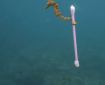
BBC recently released this amazing video of how plastics impact everything in our seas, including the tiny seahorse.
-
New Research Documents Environmental Change Through Dolphin Skin Cells
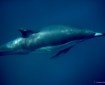
“We documented for first time marked changes in the pelagic food web length in response to various natural and anthropogenic related stressors,” said lead author Rocio I. Ruiz-Cooley, formerly of NOAA Fisheries’ Southwest Fisheries Science Center and now at Moss Landing Marine Laboratories. “This tells us that the food web is very dynamic, and reveals changes with the ecosystem around it.”
-
“Blue Planet II” Tackles Plastic Pollution

Humans are already eating plastic from the sea too. The average person who eats seafood swallows up to 11,000 pieces of microplastic every year, according to a study by researchers at the University of Ghent. As Prince Charles put it at a recent Our Ocean summit, “plastic is very much on the menu”.
-
UAE Calls for Improving Marine Environment

Though scientists have long been sounding the alarm over the environment some people refuse to listen. Many countries have introduced environmental policies and series of initiatives to raise awareness at community level, but the journey to environmental awareness and… Read More ›
-
Alaska & Oyster Larvae in an Acidified Ocean

As the Pacific Ocean acidifies—a consequence of carbon emissions—oyster farms off California, Washington State, and British Columbia have struggled to get larvae to grow into seed, the stage when young oysters’ shells have formed. Though scientists are not quite sure why, the water off Southeast Alaska hasn’t seen the same deleterious effects. Now, entrepreneurs and investors are eyeing the state, looking to turn a profit off the short-lived gains of climate change.
-
Hypoxia Threatens Oregon’s Shores

Once rare, Oregon now has a regular hypoxia season — low-oxygen episodes in near-shore ocean waters — analogous to the wildfire threat that visits the state’s forests every year, scientists say. “It’s been much more prevalent over the past… Read More ›
-
Plastics Found Near North Pole

More than five trillion pieces of plastic are estimated floating on the surface of the world’s oceans. It has been claimed that there is now enough plastic to form a permanent layer in the fossil record.
-
A Review of Climate Change & Oceans

Another reason global warming has not been too bad yet is because the ocean absorbs most of the earth’s excess heat. But oceans are warming due to greenhouse gas emissions. According to the National Oceanic and Atmospheric Administration, half of the increase in ocean heat content since 1865 has occurred over the past two decades. Warmer water holds less oxygen, but the respiration rate of animals (except for marine mammals) increases with temperature, so they need more oxygen at the same time that less is available. A warmer ocean has less turnover (vertical water movements), which normally brings nutrient-rich water up from deep water to the plankton that photosynthesize near the surface. With fewer nutrients, they photosynthesize less and animals can’t get enough food.
-
Conquering Marine Debris

Thousands upon thousands of volunteers combed coastal regions and waterways on International Coastal Cleanup Day for trash and waste removal. These photos by Charmaine Coimbra were taken at Estero Bluffs State Park, with volunteers from the Cayucos Land Conservancy in cooperation with the local coordinating agency, ECOSLO.
Featured Categories
Beach Rescue ›
-
Popular California Beach Covered in Trash
February 4, 2019
-
A “Ton” of Trash Removed on Coastal Cleanup Day
September 17, 2018
Climate Change ›
-
Is There Hope for Coral Reefs?
November 20, 2021
-
Why Are Gray Whales Dying Off?
August 10, 2021
Coral Reefs ›
-
Great Barrier Reef Still Struggles for Health
April 4, 2019
-
Marine Heat Waves Now More Frequent
March 5, 2019
Entangled Marine Mammals ›
-
Air Guns Threaten Right Whale Extinction
March 6, 2020
-
Warming Oceans Increasing Whale Entanglements
January 29, 2020
Fisheries ›
-
How Industrial Fishing Changed the Oceans
November 23, 2021
-
Biden Says Fishing Practices Must Change to Protect the Endangered Right Whale
May 28, 2021
Ghost Nets ›
-
Ghost Gear Remains Major Ocean Polluter
November 7, 2019
-
Ghost Nets & Gear Remain An Entanglement Cause
February 9, 2018
Marine Mammal Rescue ›
-
“Drastic” Dolphin Strandings in So Cal
February 26, 2019
-
Lerptospirosis Outbreak among Calif Sea Lions
October 17, 2018
Microplastics in Ocean ›
-
Research Shows Fish Feasting on Plastic
March 11, 2021
-
Can These Tools Collect Microplastics?
February 20, 2021
North Pacific Gyre ›
-
Stairway to Plastisphere
November 5, 2013
-
Update of the Plastisphere on So. Alaskan Beaches
July 17, 2013
Ocean acidification ›
-
A 25% Carbon Dioxide Increase Threatens Gulf of Mexico
August 12, 2020
-
Dungeness Crab Impacted by Acidification
January 29, 2020
Pesticides ›
-
Environmental Crisis on Russian Pacific Coast
October 11, 2020
-
Salmon Impacting Pesticides Kept on Market by New EPA
January 15, 2018
Plastic Pollution ›
-
Plastics in the Sea Continue Impacting Sea Life
November 21, 2020
-
High Concentrations of Microplastics in Deep Sea Sediment.
May 1, 2020
Saving the Oceans ›
-
United Effort by 200 Countries to Halt Plastic Pollution
December 7, 2017
-
6 Ways to Teach Kids about Single-Use Plastic
July 3, 2017
Seabirds ›
-
A Sea Bird Dead Zone
January 17, 2020
-
“…something’s off-kilter around the Bering Strait…”
April 15, 2019
Seismic Testing ›
-
Arctic National Wildlife Refuge Seismic Surveys Back on Track
October 26, 2020
-
Airgun Blasts Set for Alaska–Endangering Beluga Whales
October 9, 2019
Sewage Pollution ›
-
Nitrite Pollution Increase in Ocean Water
May 2, 2017
-
Massive Algae Bloom on Lake Erie
November 11, 2015
Spirituality and Nature ›
-
Our Ocean Connection: The Challenges, The Cures
September 18, 2018
-
Join in International Coastal Cleanup Day
September 9, 2018
Sustainable Seafood ›
-
MPAs Could Help Oceans Recover
April 6, 2020
-
Federal Fisheries Managers Ordered to Re-issue Gillnet Regulations
October 29, 2018
Thoughts ›
-
With Ocean Changes, So Will We
May 22, 2018
-
U.S. Federal Budget Not Dolphin Friendly
June 21, 2017
Trash Gyre ›
-
Microplastics Swarm Oregon Beach
March 5, 2015
-
Plastic Waste Returns Home on Kelp
March 19, 2014
Whales ›
-
New Whale Species Found That’s ‘Critically Endangered’
January 29, 2021
-
How Wildfire Smoke May Harm Whales & Dolphins
October 1, 2020
 Neptune 911!