Recent Posts - page 6
-
‘ Arctic warming is much stronger than the global average’
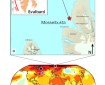
Although Arctic-wide warming during the 20th century is well documented, little is known about the response of sea-ice to abrupt warming and it is unclear when the sea-ice decline started. Data coverage in this region is highly restricted, with observation-based satellite data only available since the 1970s, too short to accurately calibrate climate models.
-
Ocean Acidification Impacting Southern Oceans

“We were alarmed to find that diatoms were so negatively affected, with some species likely to have diminished silica production before the end of this century,” says Dr Petrou.
-
Underwater Sound System with Hopes of Reducing Whale Injury from Ships
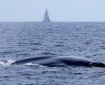
A listening station on the channel floor is able to capture whale calls as far away as 30 miles (48 kilometers), the Los Angeles Times reported Friday. That device is connected by cable to a buoy floating above that transmits data by satellite to scientists on shore.
-
193 Gray Whales Found Dead
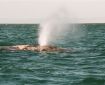
So far, the cause of the die-offs remains a mystery, though theories include starvation from lack of food, or a disease that mimics chronic wasting disease. Teams of scientists are investigating what the casualties mean for the gray whale population as a whole. But some also fear that the deaths could be part of a larger trend as animals struggle to adapt to climate change. Said Ferguson: The “gray whales are just one piece” to the environmental puzzle.
-
Low Oxygen Levels Impact Marine Invertebrates

With rising global temperatures already lowering marine oxygen levels – to the point of producing and exacerbating coastal ‘dead zones’ – this could become a serious problem.
Many marine invertebrates – just like other animals with functional and complex eyes – depend on vision for survival. It helps them find prey, avoid predators, and locate shelter.
-
Australian Waters Eyed by Foreign Fishing Interests
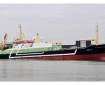
The report says foreign fishing vessels are looking to Australia after stocks elsewhere have been depleted by overfishing. “Australian waters are now in their sights,” the report author Chris Smyth said.
“Fishing regulations notionally prohibit the entry of foreign fishing vessels, but this has not stopped the approval of foreign super trawlers to fish in Australian waters.”
-
“Marine animals are disappearing at double the rate of land-based species”
…marine animals like fish, crabs and lobster are already more likely to be living near the threshold of life-threatening temperatures, and because in the ocean, there are fewer places to hide from extreme heat, said Malin Pinsky, lead author of a new study published Wednesday in the journal Nature.
“These results are stunning, in part because the impacts of climate change on ocean life were virtually ignored just a decade ago,” said Pinsky, an ocean researcher at Rutgers University. The study took a close look at cold-blooded marine species whose body temperatures are dependent on their surroundings.
-
30 Dead Gray Whales Along West Coast

Editor’s note: The consistently disturbing news of marine mammals dying off or stranding in mass appears to be a global event. Gray whales are an iconic species that have survived throughout the centuries, including the great whale hunts of the… Read More ›
-
Gulf of Mexico’s Bryde’s Whales Endangered

Threats to the species include energy exploration and development, oil spills and clean up efforts, vessel strikes, human noise and entanglement in fishing gear. There are less than 100 of the whales left in the northeastern Gulf of Mexico near the De Soto canyon, where the population resides.
-
“…something’s off-kilter around the Bering Strait…”

n February, southwest winds brought warm air and turned thin sea ice into “snow cone ice” that melted or blew off. When a storm pounded Norton Sound, water on Feb. 12 surged up the Yukon River and into Kotlik, flooding low-lying homes. Lifelong resident Philomena Keyes, 37, awoke to knee-deep water outside her house.
“This is the first I experienced in my life, a flood that happened in the winter, in February,” Keyes said in a phone interview.
Featured Categories
Beach Rescue ›
-
Popular California Beach Covered in Trash
February 4, 2019
-
A “Ton” of Trash Removed on Coastal Cleanup Day
September 17, 2018
Climate Change ›
-
Is There Hope for Coral Reefs?
November 20, 2021
-
Why Are Gray Whales Dying Off?
August 10, 2021
Coral Reefs ›
-
Great Barrier Reef Still Struggles for Health
April 4, 2019
-
Marine Heat Waves Now More Frequent
March 5, 2019
Entangled Marine Mammals ›
-
Air Guns Threaten Right Whale Extinction
March 6, 2020
-
Warming Oceans Increasing Whale Entanglements
January 29, 2020
Fisheries ›
-
How Industrial Fishing Changed the Oceans
November 23, 2021
-
Biden Says Fishing Practices Must Change to Protect the Endangered Right Whale
May 28, 2021
Ghost Nets ›
-
Ghost Gear Remains Major Ocean Polluter
November 7, 2019
-
Ghost Nets & Gear Remain An Entanglement Cause
February 9, 2018
Marine Mammal Rescue ›
-
“Drastic” Dolphin Strandings in So Cal
February 26, 2019
-
Lerptospirosis Outbreak among Calif Sea Lions
October 17, 2018
Microplastics in Ocean ›
-
Research Shows Fish Feasting on Plastic
March 11, 2021
-
Can These Tools Collect Microplastics?
February 20, 2021
North Pacific Gyre ›
-
Stairway to Plastisphere
November 5, 2013
-
Update of the Plastisphere on So. Alaskan Beaches
July 17, 2013
Ocean acidification ›
-
A 25% Carbon Dioxide Increase Threatens Gulf of Mexico
August 12, 2020
-
Dungeness Crab Impacted by Acidification
January 29, 2020
Pesticides ›
-
Environmental Crisis on Russian Pacific Coast
October 11, 2020
-
Salmon Impacting Pesticides Kept on Market by New EPA
January 15, 2018
Plastic Pollution ›
-
Plastics in the Sea Continue Impacting Sea Life
November 21, 2020
-
High Concentrations of Microplastics in Deep Sea Sediment.
May 1, 2020
Saving the Oceans ›
-
United Effort by 200 Countries to Halt Plastic Pollution
December 7, 2017
-
6 Ways to Teach Kids about Single-Use Plastic
July 3, 2017
Seabirds ›
-
A Sea Bird Dead Zone
January 17, 2020
-
“…something’s off-kilter around the Bering Strait…”
April 15, 2019
Seismic Testing ›
-
Arctic National Wildlife Refuge Seismic Surveys Back on Track
October 26, 2020
-
Airgun Blasts Set for Alaska–Endangering Beluga Whales
October 9, 2019
Sewage Pollution ›
-
Nitrite Pollution Increase in Ocean Water
May 2, 2017
-
Massive Algae Bloom on Lake Erie
November 11, 2015
Spirituality and Nature ›
-
Our Ocean Connection: The Challenges, The Cures
September 18, 2018
-
Join in International Coastal Cleanup Day
September 9, 2018
Sustainable Seafood ›
-
MPAs Could Help Oceans Recover
April 6, 2020
-
Federal Fisheries Managers Ordered to Re-issue Gillnet Regulations
October 29, 2018
Thoughts ›
-
With Ocean Changes, So Will We
May 22, 2018
-
U.S. Federal Budget Not Dolphin Friendly
June 21, 2017
Trash Gyre ›
-
Microplastics Swarm Oregon Beach
March 5, 2015
-
Plastic Waste Returns Home on Kelp
March 19, 2014
Whales ›
-
New Whale Species Found That’s ‘Critically Endangered’
January 29, 2021
-
How Wildfire Smoke May Harm Whales & Dolphins
October 1, 2020
 Neptune 911!