Author Archives

Reporter, journalist and author who has owned and operated a bookstore, a pool and spa full service business, an apple farm, and is now committed to environmental issues. She has written four books: The Gathering Basket, Connection with 48 Natural Contemplations, Seek Beauty, Find Joy: a Companion Journal to Natural Contemplations; and children's book, Isu Learns to Swim.
-
The Good News for Oceans in 2016

2016 was quite a year! From the bottom of my heart, I want to thank each and every National Marine Sanctuary System employee, contractor, partner and advisory council member for your contribution to the many successes we have achieved during… Read More ›
-
Microplastic Research

“… plastic debris is often contaminated with toxic chemicals. Plastics can absorb and concentrate toxic pollutants present at trace levels in seawater, and some of the chemical additives mixed in during the manufacturing process can be toxic as well. When marine organisms ingest chemical-laden plastic pieces, some of the pollutants may be released within the gut of the animal and absorbed into body tissue. Although it is uncertain how much of these harmful chemicals enter marine animals due to ingestion of plastic debris in the ocean, laboratory experiments suggest there may be reason for concern.”
-
Researching Cellular Growth in Seawater Acidity

The uptake of fossil fuel carbon dioxide (CO2) by the ocean increases seawater acidity and causes a decline in carbonate ion concentrations. This process, termed ocean acidification, makes it energetically more costly for calcifying organisms to form their calcareous shells… Read More ›
-
Pacific “Blob” Fingered as Environmental Troublemaker

The Blob caused the water in the eastern Pacific to be both warm and low in nutrients, “conditions that are ripe for toxin production…”
-
Arctic and Antarctic, record lows in sea ice
Ted Scambos, the lead scientist at NSIDC, said: “Antarctic sea ice really went down the rabbit hole this time.” His colleague Walt Meier, who also works at Nasa, added: “The Arctic has typically been where the most interest lies, but this month, the Antarctic has flipped the script and it is southern sea ice that is surprising us.”
-
“The Ocean of Life”
The oceans have absorbed a third of all the carbon dioxide emitted since the Industrial Revolution and have helped deflect extreme warming. But recent research has shown that climate change has made seawater acidity rise faster than at any time in the last 55 million years, with unpredictable and potentially disastrous consequences for life. What can we do?
-
Mexico Creates Marine Biosphere Reserves
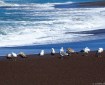
Oceans offer natural benefits that sustain coastal economies, provide diverse opportunities for the tourism sector and help to protect communities against natural disasters, amongst other benefits. Therefore, maintaining the health of these marine ecosystems is essential.
-
Rising Sea Level Kills Coastal Trees

A steady increase in sea levels is pushing saltwater into U.S. wetlands, killing trees from Florida to as far north as New Jersey. But with sea level projected to rise by as much as six feet this century, the… Read More ›
-
Arctic Ocean “Menu is Changing”

The Arctic Ocean may seem remote and forbidding, but to birds, whales and other animals, it’s a top-notch dining destination. “It’s a great place to get food in the summertime, so animals are flying or swimming thousands of miles to… Read More ›
-
Southern Sea Otter Population Improves
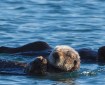
“We believe the high count this year is partly explained by excellent viewing conditions, but it also appears to reflect increased food availability in the range center,” says Dr. Tim Tinker, a research ecologist who leads the USGS sea otter research program. “The boom in sea urchin abundance throughout northern and central California has provided a prey bonanza for sea otters, and that means more pups and juveniles are surviving to adulthood.”
 Neptune 911!