WASHINGTON (AP) — Seawater — increasingly acidic due to global warming — is eating away the limestone framework for the coral reef of the upper Florida Keys, according to a new study. It’s something that scientists had expected, but not… Read More ›
Ocean acidification

Pacific West Coast Kelp Forests Vanishing
Veteran diver Steve Lackey, an instructor at Sub-Surface Progression Dive Shop in Fort Bragg, said, “I try not to be an alarmist, but it is pretty unprecedented, in my opinion.”
This time of year, he’s accustomed to seeing small sprouts of kelp begin to appear on the ocean floor, a harbinger of the spring and summer growing season. This year, there are none, he said.
“I don’t remember quite this clean, this kind of scoured rock, with hungry invertebrates,” he said.

Acidification and Hypoxia Science Panel Releases Report
Though the tide can’t be totally turned back, the report, “Major Findings, Recommendations, and Actions,” found ways to blunt the environmental and economic impact now.

Global CO2 Emissions Impacting Pacific West Coast
“Communities around the country are increasingly vulnerable to ocean acidification and long-term environmental changes,” said Richard Spinrad, chief scientist for the National Oceanic and Atmospheric Administration, and former OSU vice president for research. “It is crucial that we comprehend how ocean chemistry is changing in different places…”
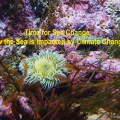
The Sea & Climate Change
Tropical coral reefs cover less than 1% of the ocean, but they are home and nursery to 25% of all marine species; billions of fish, mollusks and other creatures rely on reefs for their food and shelter. Their wonder and beauty generates needed tourism dollars for many poor nations, and they act as natural barriers providing storm surge protection for many millions of coastal residents.

Acidification Devastates Oyster Industry
That culprit, ocean acidification, is the caustic cousin of climate change, and it shifts the chemistry of ocean water, making it harder for oysters to grow. That’s because about 30 percent of the carbon dioxide released into the atmosphere is absorbed by the ocean, causing pH levels to plummet and making the water more acidic. The more pollution in the air, the more carbon dioxide the ocean absorbs.

Sea Change: A Scientific Conundrum and “The Blob”
Weird things are happening off the Pacific Coast.
And at the center of the action is a warm-water mass that scientists call “the blob.”
It’s turning the coastal ecosystem on its head. Species are dying along Washington, Oregon and northern California: sea stars, marine birds and sardines, among them.

Hypoxia Workshop Slated for July 29 in Sacramento
SACRAMENTO, Calif. ‐‐ Much of the carbon dioxide released from the burning of gasoline, natural gas, and other fossil fuels dissolves in seawater, making the earth’s ocean increasingly corrosive. The profound chemical changes – called “acidification” – plus the linked… Read More ›

Expect Changes at Your Fish Market
Seafood lovers are set to see less shellfish, salmon and other fish on their dinner plates as climate change warms the oceans and makes them more acidic. The findings from a series of studies out this week suggest rising greenhouse… Read More ›
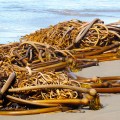
Kelp: The New Kale of the Sea?
The thick, slimy brown ribbons are notorious for tangling the ankles of beachgoers and rotting in pungent piles. But kelp, according to its growing fan base, could also prove potent in protecting the health of oceans — and us. “We’ve… Read More ›
 Neptune 911!