“Overall, we found there’s a decrease in species diversity and abundance irrespective of what ecosystem we are looking at. These are broad scale impacts, made worse when you combine the effect of warming with acidification.

“Overall, we found there’s a decrease in species diversity and abundance irrespective of what ecosystem we are looking at. These are broad scale impacts, made worse when you combine the effect of warming with acidification.

That culprit, ocean acidification, is the caustic cousin of climate change, and it shifts the chemistry of ocean water, making it harder for oysters to grow. That’s because about 30 percent of the carbon dioxide released into the atmosphere is absorbed by the ocean, causing pH levels to plummet and making the water more acidic. The more pollution in the air, the more carbon dioxide the ocean absorbs.

Seafood lovers are set to see less shellfish, salmon and other fish on their dinner plates as climate change warms the oceans and makes them more acidic. The findings from a series of studies out this week suggest rising greenhouse… Read More ›
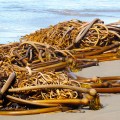
The thick, slimy brown ribbons are notorious for tangling the ankles of beachgoers and rotting in pungent piles. But kelp, according to its growing fan base, could also prove potent in protecting the health of oceans — and us. “We’ve… Read More ›

When it comes to the water in the San Francisco Bay, the ocean doesn’t get nearly the credit it deserves. At least, that’s the opinion of oceanographer John Largier, who studies the ocean’s complex dance with the Bay. Sure, the… Read More ›

If you thought the worst extinction event on Earth was the one that killed the dinosaurs some 66 million years ago, think again. A far worse event, the Permo-Triassic Boundary mass extinction event, happened some 252 million years ago, which over the course of about 60,000 years is thought to have wiped out more than two-thirds of land species and more than 90% of marine species on the planet.

(Reuters) – U.S. shellfish producers in the Northeast and the Gulf of Mexico will be most vulnerable to an acidification of the oceans linked to climate change that makes it harder for clams and oysters to build shells, a study… Read More ›

This year is shaping up to be a brutal one for the California sea lion — the third year in a row for record numbers of sea lion strandings in the state. Sick, abandoned pups have shown up in alarming… Read More ›

WALPOLE, MAINE — In the icy waters of midcoast Maine, Bill Mook has his eyes on his oysters – and how the waters they need to survive are gradually, but clearly, changing. Down the coast near Portland, the issue is… Read More ›
“… the latest pH level readings from the world’s oceans indicate that these ancient pH levels have recently dropped to an average of 8.1. As the ocean becomes more acidic, the life cycles of marine organisms, especially zooplankton primarily found in surface waters and at the lower end of the food chain, could be affected.”
 Neptune 911!