Editor’s Note: Humpback whales returning from their Mexican winter vacation have collided with Central California’s crabbing industry with the result of nearly a half-dozen whales entangled in crab traps and rigging. The whales returned earlier than normal–all while the crabbing… Read More ›
Year: 2014
MBARI Releases Survey of Sunken Shipping Container
Thousands of shipping containers are lost from cargo vessels each year. Many of these containers eventually sink to the deep seafloor. In 2004, scientists at the Monterey Bay Aquarium Research Institute (MBARI) discovered a lost shipping container almost 1,300 meters… Read More ›
Toxic Algae Killing off Sealife, Possible Threat to Humans
“One part of this organism’s life cycle is when it becomes a cyst, like a spore or seed that sits on the bottom,” she said. “When the environmental conditions become optimal — and we don’t know what those conditions are — these cysts can burst out of their little seed pods and come back to life. The worry is that when they bloom we get these giant red tides.”
Record Number of Sea Lions, Seals Stranded
SAUSALITO, CALIF. — A marine mammal rescue group said Monday it’s seeing a record number of stranded sea lions and seals along the Northern and central California coast — some of whom appear to have been sickened by toxins and… Read More ›
Toxic Algae Warning for Monterey Bay–Could Harm Humans
April 30, 2014 SANTA CRUZ, Calif. —A new health warning has been issued urging people to not eat certain parts of anchovy, sardines, or crab caught in the Monterey Bay. Health officials said they are too toxic and can be… Read More ›
“Alarm Bells” Ring. 53% of Sea Snail Shells Dissolving
Until now, the impact on marine species from increasing ocean acidity because of climate change has been something that was tested in tanks in labs, but which was not considered an immediate concern such as forest fires and droughts.
The new study, published in the Proceedings of the Royal Society B, a scientific journal based in England, changes that.
Researcher’s Nightmare Fish Story: A Tale of Plastic in Fish
Story by Charmaine Coimbra The diminutive Dr. Chelsea Rochman shared a big fish story. She reeled in tiny Japanese medaka (Oryzias latipes) for research, and landed big results–results that could change the way we consume and what we eat. She calls it “the… Read More ›
Plastics in Great Lakes Research
What’s more concerning is that plastic has been found to act like a sort of sponge, concentrating toxic chemicals that are diluted in oceans and lakes. Such toxins include heavy metals and chemicals that have long been banned, such as DDT or PCBs, that can have severe environmental effects and are known to cause cancer and birth defects.
Right Whale Calving Down Again
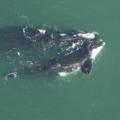
Highly endangered North Atlantic right whales number about 500 individuals. They’re so-named because their slow-moving, shore-hugging habits and tendency to float when dead made them the “right” whale to kill. They were hunted to near extinction by the early 1900s.
NWF Reports Gulf Oil Spill Damage: BP Challenges Report
The Christian Science Monitor recently summarized the National Wildlife Federation report issued April 8, 2014, that “…focused on 14 water, air, and land species located in the northern Gulf and affected by the oil spill, using data from independent scientists… Read More ›