The Mississippi River Basin is home to much of the United States’ fertile crop land. Though we need our food and energy crops, their production has led to an increase in the levels of nutrients such as nitrogen and phosphorus… Read More ›
Hypoxia

West Coast Ocean Acidification and Hypoxia Science Panel Established
Salem, OR–(ENEWSPF)–August 29, 2013. Governor Kitzhaber announced yesterday that Oregon is joining with the state of California to establish a new panel to focus on the extent, causes, and effects of ocean acidification and hypoxia along the Pacific coastline. The… Read More ›
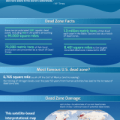
Over 500 Oceanic Dead Zones Counted
Gainesville, FL — (SBWIRE) — 08/22/2013 — A new infographic has been released recently on Oceanic dead zones, hypoxic (or low-oxygen) areas in the world oceans and large lakes are caused by excessive nutrient pollution from human activities and other… Read More ›

Why Eat Shellfish Only In Months Ending in R
Should We Fear Red Tides? Podcast Video: Play Now | Download (24) Why did your grandfather tell you to only eat shellfish during months that contained an “r”? This advice that we now know to be myth,… Read More ›
479 Hypoxic Waterways Worldwide
By Ruth Reader Historic eutrophic and hypoxic zones, from the World Resources Institute’s interactive map Read more: http://motherboard.vice.com/blog/the-biggest-dead-zones-in-americas-waterways#ixzz2YqOYw4zq Follow us: @motherboard on Twitter | motherboardtv on Facebook The NOAA forecasted that this year’s Gulf of Mexico hypoxic “dead” zone will be… Read More ›
Yellow Sea Turns Green
It’s become an annual affair, the rafts of green algae washing up on the shores of Qingdao, China. Since 2007, massive algae blooms in the Yellow Sea have been fueled, scientists think, by “pollution and increased seaweed farming” south of Qingdao. The mats… Read More ›

Hey, Krill: Stay in the Water!
GRANTS PASS, Ore. (AP) — Millions of krill — a tiny shrimp-like animal that is a cornerstone of the ocean food web — have been washing up on beaches in Southern Oregon and Northern California for the past few weeks…. Read More ›
Texas A&M Confirms Gulf Dead Zone Spread
NOAA scientists are expecting a very large “dead zone” in the Gulf of Mexico this year following a relatively small one by recent standards in 2012 due to the worst drought conditions in 100 years affecting the approximately 41% of… Read More ›
Hypoxia: More in Gulf of Mexico; Less in Chesapeake Bay
June 18, 2013 NOAA photo Less oxygen dissolved in the water is often referred to as a “dead zone” (in red above) because most marine life either dies, or, if they are mobile such as fish, leave the area. Habitats… Read More ›

Science Dissects Ocean’s Nitrogen Cycle
June 14, 2013 — The ocean the Titanic sailed through just over 100 years ago was very different from the one we swim in today. Global warming is increasing ocean temperatures and harming marine food webs. Nitrogen run-off from fertilizers… Read More ›
 Neptune 911!