“These past years have been extremely unusual off the California coast, with humpback whales closer to shore, pelagic red crabs washing up on the beaches of central California, and sportfish in higher numbers in southern California,” said Elliott Hazen of the Southwest Fisheries Science Center, a coauthor of the paper. “This paper reveals how broad scale warming influences the biology directly off our shores.”
Condition of Oceans
Richard Branson Cares
From Huffington Post’s series in partnership with Ocean Unite, an initiative to unite and activate powerful voices for ocean-conservation action. To read all the posts in the series, read here. Follow the conversation on Twitter with the hashtag #MakeASplash. By Richard… Read More ›
Acidification Strikes Florida Reef
WASHINGTON (AP) — Seawater — increasingly acidic due to global warming — is eating away the limestone framework for the coral reef of the upper Florida Keys, according to a new study. It’s something that scientists had expected, but not… Read More ›
Pacific West Coast Kelp Forests Vanishing
Veteran diver Steve Lackey, an instructor at Sub-Surface Progression Dive Shop in Fort Bragg, said, “I try not to be an alarmist, but it is pretty unprecedented, in my opinion.”
This time of year, he’s accustomed to seeing small sprouts of kelp begin to appear on the ocean floor, a harbinger of the spring and summer growing season. This year, there are none, he said.
“I don’t remember quite this clean, this kind of scoured rock, with hungry invertebrates,” he said.
Acidification and Hypoxia Science Panel Releases Report
Though the tide can’t be totally turned back, the report, “Major Findings, Recommendations, and Actions,” found ways to blunt the environmental and economic impact now.
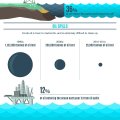
Scuba Divers Provide Infographic on Ocean Pollution
Every year, over 8 million tons of plastic is being deliberately dumped into the ocean, causing catastrophic consequences for marine life and their habitats
Global CO2 Emissions Impacting Pacific West Coast
“Communities around the country are increasingly vulnerable to ocean acidification and long-term environmental changes,” said Richard Spinrad, chief scientist for the National Oceanic and Atmospheric Administration, and former OSU vice president for research. “It is crucial that we comprehend how ocean chemistry is changing in different places…”
Microplastic Impact on Oysters
The researchers then observed the oysters’ physiological responses to ingesting the microplastics. The most obvious effect was on reproduction. Oysters that were exposed to microplastics produced fewer and smaller egg cells and slower sperm. Exposed oysters also produced fewer larvae and their offspring tended to grow more slowly.
Oceans Warming at a “Quickening Rate”
“The findings are concerning. It’s clear evidence that the oceans are taking the brunt of the greenhouse gases and are accumulating a lot of heat. As for the ecological implications, that’s hard to say. There is a lot of life in the deep oceans and there’s lots we don’t know about the impact upon that life.”
New Analysis of Plastic Debris on Marine Life
“We now have the best, most comprehensive assessment of trash and plastic waste on some of our most iconic marine wildlife,” said Nicholas Mallos, Director of the Trash Free Seas Program at Ocean Conservancy.