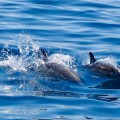
And our planet’s modifier is in trouble. It’s a Neptune 911 crisis. What can we do to combat our ocean’s struggle with marine debris, hypoxia and acidification? The answers are found in university labs, recognized in world organizations, and ignored by feckless politicians and leaders.
Take Action
Why Are Cetaceans Stranding on Cornwall Beaches?
It comes as figures reveal 2017 as a ‘devastating year’ for dolphins and porpoises, with a total of 249 cetaceans recorded as Marine Strandings along the Cornish coastline – the highest recorded since 2003.
“Blue Planet II” Tackles Plastic Pollution
Humans are already eating plastic from the sea too. The average person who eats seafood swallows up to 11,000 pieces of microplastic every year, according to a study by researchers at the University of Ghent. As Prince Charles put it at a recent Our Ocean summit, “plastic is very much on the menu”.
Conquering Marine Debris
Thousands upon thousands of volunteers combed coastal regions and waterways on International Coastal Cleanup Day for trash and waste removal. These photos by Charmaine Coimbra were taken at Estero Bluffs State Park, with volunteers from the Cayucos Land Conservancy in cooperation with the local coordinating agency, ECOSLO.
Join the World In Coastal Clean-Up Sat., Sept. 16
The first California coast cleanup began in the mid 1970s when an Arcata recycler operated beach cleanups in search of recyclables. Oregon, however, was the first state to organize a state-wide volunteer beach cleanup in 1984, called the “Plague of Plastics.”
The California Coastal Commission began the California Coastal Cleanup in 1985. From 1985 through 2016, 23,054,067 pounds of trash and recyclables were removed and properly disposed or recycled by 1,437, 549 volunteers, the commission reports.
U.S. Federal Budget Not Dolphin Friendly
Also, it seems like every consecutive generation is called upon to once again Save the Whales (and Flipper). Donald Trump’s budget would also eliminate the only independent federal agency dedicated solely to protecting our fellow mammals who live and dwell in and on the sea including: whales, dolphins, porpoises, seals, sea lions, sea otters, manatees, walruses and polar bears.