Most of the trash in the ocean comes from land, and most of it is plastic. An estimated 4.8 to 12.7 million tons of plastic leaves the shorelines into the ocean globally each year, and there are now over 5.25 trillion pieces of plastic are floating in the ocean currently.
Science
A Shocking 40% Increase in Ocean Warming
As the oceans continue to heat up, those effects will become more catastrophic, scientists say. Rainier, more powerful storms like Hurricane Harvey in 2017 and Hurricane Florence in 2018 will become more common, and coastlines around the world will flood more frequently. Coral reefs, whose fish populations are sources of food for hundreds of millions of people, will come under increasing stress; a fifth of all corals have already died in the past three years.
Microplastics and the Food Chain
Dr Ruth Barnich, Principal Taxonomist at environmental consultancy Thomson Ecology explores tackling the issue of microplastics, with a focus on how we can better assess their impact on the environment and the food chain The presence of plastic… Read More ›
Plastic Waste Continues to Spread into Everything
She says understanding how plastic gets into fish matters not just to the fish, but to us. “We eat fish that eat plastic,” she says. “Are there things that transfer to the tissue? Does the plastic itself transfer to the tissue? Do the chemicals associated with the plastic transfer to the tissue?”
Data Show Ocean Monuments Make a Positive Difference for Fishing
The commercial fishing industry had opposed the creation of the Northeast Canyons and Seamounts Marine National Monument, saying that prohibiting commercial fishing in the two areas would cripple the industry. But according to Brad Sewell, oceans attorney with the Natural Resources Defense Council, two years after designating those protected areas, the numbers tell a different story.
Combatting Coral Disease in Florida
Around the world, coral reefs are facing trouble. Coral bleaching, due in part to rising ocean temperatures, has stressed reefs, leaving them weakened and susceptible to disease. Now, in Florida, scientists are struggling to combat a mysterious disease that’s threatening the future of the world’s third largest coral reef.
Study: Microplastics on Aquatic Life
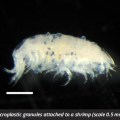
“One of the types of organisms that seems to be affected is crustacean zooplankton, which are the main prey for many small fishes,” said Höök, whose findings were published in the journal Science of the Total Environment. “The fact that these very small organisms are consuming these microplastics, altering their growth, reproduction and survival, means there could be consequences up the food web. If zooplankton numbers decline, there may be less food available for organisms at higher trophic levels.”
2017–Warmest Year on Record for Oceans
But in terms of understanding how fast the Earth is warming, the key is the oceans.
Tree Ring Study and Jet Stream Changes
From Science Daily Increased fluctuations in the path of the North Atlantic jet stream since the 1960s coincide with more extreme weather events in Europe such as heat waves, droughts, wildfires and flooding, reports a University of Arizona-led team. The… Read More ›
Plastics Found Near North Pole
More than five trillion pieces of plastic are estimated floating on the surface of the world’s oceans. It has been claimed that there is now enough plastic to form a permanent layer in the fossil record.