But ocean plastics pose a threat to a wide variety of marine animals, and their risk is determined by the amount of debris an animal encounters, as well as the size and shape of the debris.

But ocean plastics pose a threat to a wide variety of marine animals, and their risk is determined by the amount of debris an animal encounters, as well as the size and shape of the debris.

Plastic waste causes $13 billion in damage to marine ecosystems each year, according to the UN Environment Program. California and cities including Chicago, Seattle and Portland have banned single-use plastic bags.

Editor’s Note: The following is an excerpted report from the Times Colonist, “Human discards mean slow torture for B.C.’s marine mammals.” Highlighted portions by Neptune 911. Marty Haulena positions himself atop a federal fisheries patrol boat, his CO2-powered dart rifle… Read More ›

WASHINGTON: Debris in the ocean, such as plastic and glass, has been having a life-threatening global impact on marine life. Nearly 700 species of marine animal have been recorded as having encountered man-made debris according to the most comprehensive impact… Read More ›

Some eight million metric tons of plastic waste makes its way into the world’s oceans each year, and the amount of the debris is likely to increase greatly over the next decade unless nations take strong measures to dispose of… Read More ›

VIRGINIA BEACH, Va. (WAVY) — Balloons are killing animals on land and in water, according to researchers at the Virginia Aquarium. And now a lawmaker from Virginia Beach is hoping to ban the release of helium balloons into the air…. Read More ›
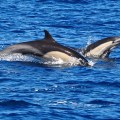
The debris found in the 37-foot (gray whale) male included more than 20 plastic bags, small towels, surgical gloves, a pair of sweatpants, duct tape, and a golf ball.

Reading about ocean plastic makes one marvel at what man has wrought. According to National Geographic, trash from North America makes a mighty six-year voyage to reach “The Great Pacific Garbage Patch,” where it hooks up with trash from Asia. Ocean currents form these areas of spinning debris that researchers are only now starting to measure.

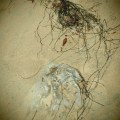
“Every beach surveyed we found beach litter on. Northumbria University sampled a random litre of sand and found over ten thousand microscopic plastic particles present. Litter is being found consistently in sea bed surveys – all the way out as far out as the continental shelf – over a million seabirds and a hundred thousand sea mammals will die every year from ingestion and entanglement. We need to reduce the amount of marine litter by 50%.”
 Neptune 911!