Alanna Mitchell covered this subject in her 2009 book, Seasick: “…methane hydrate molecules, when cold, are like geodesic domes, stable structures that remain in the ocean’s deeps…If the molecules are shaken up or warmed, the bonds break and bubbles of… Read More ›
Ocean acidification
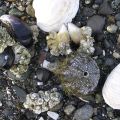
Ocean Acidification Threatens Food Security
“Pakistan, Thailand, the Philippines, Iran, and China are among the top 50 nations whose food security may be threatened by the effects that the rise of manmade carbon-dioxide (CO2) gas emissions are already starting to have on fish and shellfish,… Read More ›
47% Of Beach Pollution From Ag & Rain Runoff
By Tony Barboza, Los Angeles TimesJune 27, 2012 Beaches across the nation continue to be fouled by sewage and storm water pollution that puts swimmers at risk of getting sick, according to a report by an environmental group. The Natural… Read More ›

Blame It On Laguna Beach
By Charmaine Coimbra Blame it on my summers in Laguna Beach. From here on out, that’s my answer to, “But there are so many other pressing challenges to tackle other than plastics in the ocean.” Those two weeks away from… Read More ›

World Oceans Day, June 8
A Message From World Oceans Day. org: June 8, 2012 is World Oceans Day, a day when people around the globe come together to celebrate our ocean and take action to protect it. And with good cause! The ocean not… Read More ›
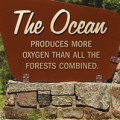
Is Leaking Methane From Arctic Sea More Than A Warning?
We have a new blog for the young children in your life: Neptune 911 For Kids. This fun blog features stories about ocean-hero kids, marine mammals, ways to save the ocean, and pages about the unique and weird creatures one… Read More ›

Stockholm Science Study Puts A Value On Oceans
From Planet Ark 3/23/12 The cost of damage to the world’s oceans from climate change could reach $2 trillion a year by 2100 if measures to cut greenhouse gas emissions are not stepped up, a study by marine experts said… Read More ›
A New Analysis of Ocean Acidification
From New York Times, by Justin Gillis A new scientific paper suggests that the ocean is acidifying at a rate that is many times faster than at any time in the last 300 million years. The change is occurring… Read More ›

Sea Cucumber Poo as Coral Reef Savior?
Sea cucumbers could hold the key to saving the Great Barrier Reef, University of Sydney scientists say. Scientists at One Tree Island, the University of Sydney’s research station on the Great Barrier Reef, say sea cucumbers reduce the impact of… Read More ›
Will Oceans Succumb To Manmade Stress? Experts Worry.
Editor’s Note: The oceans seem so big that they appear immune to change. But the fact that the oceans comprise 71% of Planet Earth, perhaps it is time for educating ourselves about the oceans and how they regulate our weather,… Read More ›
 Neptune 911!