What’s more concerning is that plastic has been found to act like a sort of sponge, concentrating toxic chemicals that are diluted in oceans and lakes. Such toxins include heavy metals and chemicals that have long been banned, such as DDT or PCBs, that can have severe environmental effects and are known to cause cancer and birth defects.
Condition of Oceans

Fishermen: No Debate About Climate Change
For many U.S. fisherman, there’s no debate about climate change. It’s here, and already majorly impacting their industries. In New Jersey, Rutgers scientists have documented for 24 years how climate change is affecting the state’s oceans through weekly fish surveys…. Read More ›
Search for Missing Jet Showcases Ocean’s Pollution
Anticipation has repeatedly turned into frustration in the search for signs of Flight MH370 as objects spotted from planes in a new search area west of Australia have turned out to be garbage. It’s a time-wasting distraction for air and… Read More ›

Oceans: “Like Swimming in Lemonade”
“I’m very worried about acidification. Some coral species will substitute for others, but if you lose table corals and tall branching corals, most of nooks and crannies – the hiding places for juvenile fish – will disappear. And it’ll directly affect humans being because fish stocks will be affected.”
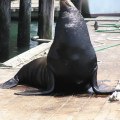
Epileptic Seizures in Sea Lions
Sick and confused sea lions convulsing with seizures are being found in increasing numbers along the California coast, suffering from what Stanford University scientists say is a form of epilepsy similar to the kind that attacks humans. The culprit is a… Read More ›
Plastic Waste Returns Home on Kelp
What seemed like a landfill of plastic in kelp, catapulted me into photographic obsession (about 200 frames shot). I lost track of time while I stooped and bent my body to find the right way to capture this polyester moment. Eventually several curious people asked “ What are you photographing?”

Acidic Ocean Plagues Scallops With Die-Off
Ten million scallops that have died in the waters near Qualicum Beach due to rising ocean acidity are the latest victims in a series of marine die-offs that have plagued the West Coast for a decade. Human-caused carbon dioxide emissions… Read More ›
The Economist Discusses “The Tradgedy of the High Seas”
New management is needed for the planet’s most important common resource Feb 22nd 2014 | From the print edition The Economist IN 1968 an American ecologist, Garrett Hardin, published an article entitled “The Tragedy of the Commons”. He argued… Read More ›

Seastar Wasting Disease Now in San Luis Obispo County
Editor’s note: Visit http://www.seastarwasting.org for more information Starfish dying from disease in SLO County tide pools By David Sneed dsneed@thetribunenews.comFebruary 18, 2014 Updated 9 hours ago Read more here: http://www.sanluisobispo.com/2014/02/18/2932233/starfish-disease-tide-pools-death.html#storylink=cpy Starfish in San Luis Obispo County are suffering from a… Read More ›

Research Links Trace Metals in Seabirds to Plastic Ingestion
Plastic linked to metals in seabirds The University of Tasmania Monday, 03 February 2014 New research by the University of Tasmania has examined the toxic effects of seabirds ingesting marine plastic pollution and population decline. UTAS’ Institute for Marine and… Read More ›
 Neptune 911!